Fiber Reinforced Polymer (FRP) Manufacturer
Premium Glass Fiber Reinforced Resin for GFRP Composites
Leading supplier of fiberglass reinforced polyester resin and vinyl ester for construction, marine, and industrial applications.
What is Fiber Reinforced Polymer (FRP)?
Fiber Reinforced Polymer (FRP), also known as Fiber Reinforced Plastic, is a composite material consisting of a polymer matrix reinforced with fibers. When glass fibers are used, the material is called Glass Fiber Reinforced Polymer (GFRP) or Glass Reinforced Polyester (GRP).
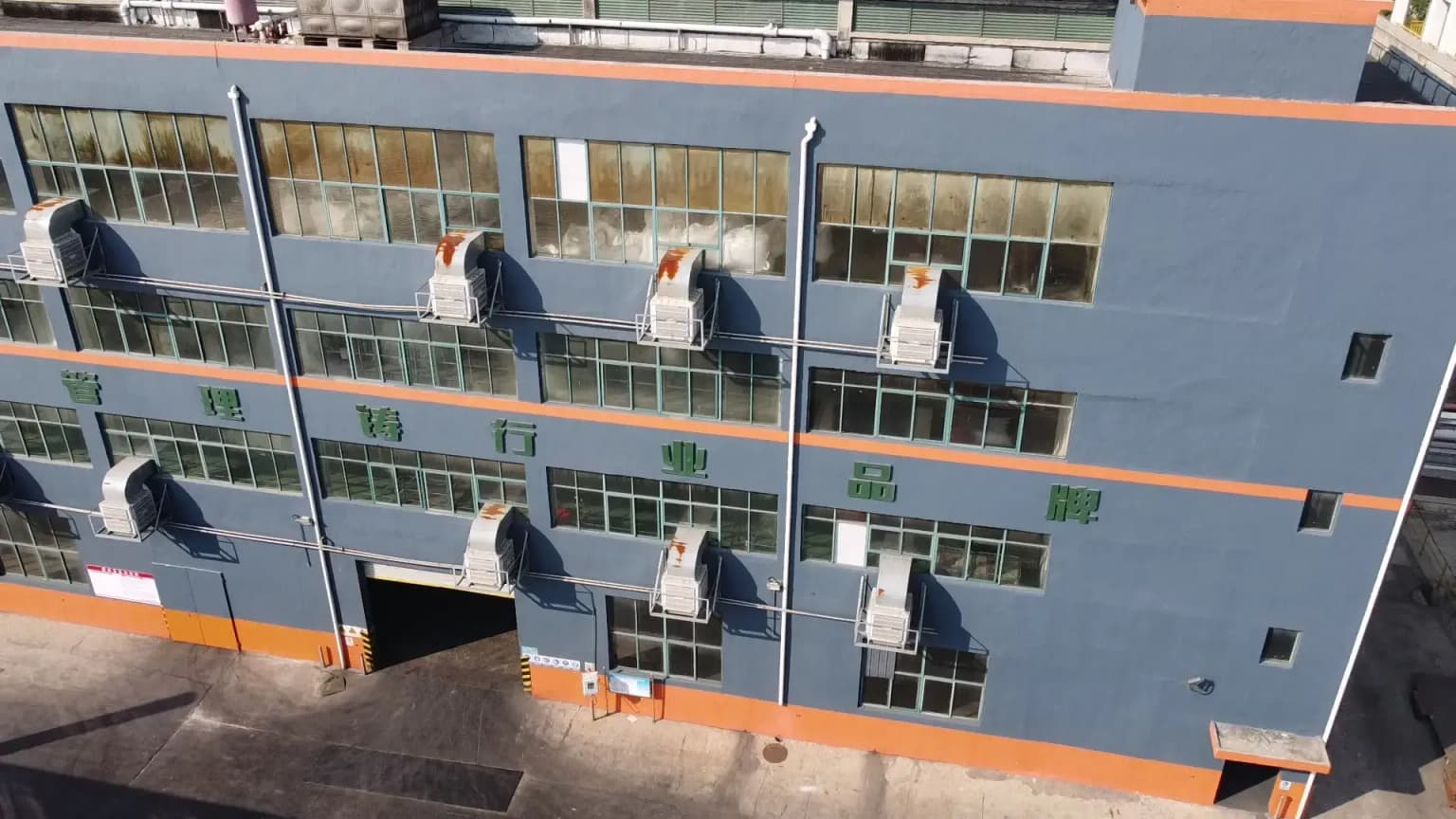
As a leading fiber reinforced polymer manufacturer, Changyuan New Materials specializes in producing high-quality fiberglass reinforced resin systems. Our unsaturated polyester and vinyl ester resins are engineered to work seamlessly with glass fiber reinforcement, creating strong, lightweight, and corrosion-resistant composite materials.
Our glass fiber reinforced polymer resins are used globally in construction, marine, automotive, and chemical processing industries, offering superior performance compared to traditional materials like steel and concrete.
Our Fiber Reinforced Polymer Resin Systems
Comprehensive range of resins for GFRP and FRP composite manufacturing
Fiberglass Reinforced Polyester Resin
Our flagship product line of unsaturated polyester resins designed for fiber reinforcement. Includes both Orthophthalic and Isophthalic formulations for diverse FRP applications.
- Cost-effective
- Excellent fiber wetting
- Wide processing window
Glass Reinforced Vinyl Ester
Premium vinyl ester resins offering superior mechanical properties and corrosion resistance for high-performance GFRP composites.
- High strength
- Chemical resistant
- Low shrinkage
Reinforced Thermosetting Resin for Construction
Specialized formulations for structural FRP applications including rebar, profiles, and building reinforcement systems.
- High modulus
- UV resistant
- Long-term durability
Fiber Reinforced Polymer Applications
Where our GFRP and glass reinforced polyester resins make a difference
Construction & Infrastructure
GFRP rebar, bridge decking, structural profiles, and building facades using fiber reinforced polymer composites.
Marine & Offshore
Boat hulls, offshore platforms, and marine structures utilizing glass fiber reinforced polymer for corrosion resistance.
Chemical Processing
FRP tanks, pipes, and vessels for aggressive chemical environments requiring fiberglass reinforced resin.
Transportation
Automotive body panels, railway components, and aerospace parts made with glass reinforced polyester.
Why Choose Glass Fiber Reinforced Polymer?
Key advantages of FRP composites over traditional materials
Fiber Reinforced Polymer for Construction
The construction industry is increasingly adopting fiber reinforced polymer materials for structural applications. Our glass fiber reinforced polymer resins are specifically formulated for:
- GFRP Rebar - Non-corrosive reinforcement for concrete structures
- Structural Profiles - Pultruded beams, columns, and decking
- Strengthening Systems - Retrofitting existing structures
- Architectural Elements - Facades, cladding, and decorative features
Frequently Asked Questions
Common questions about fiber reinforced polymer and GFRP materials
What is Fiber Reinforced Polymer (FRP)?
Fiber Reinforced Polymer (FRP), also known as Fiber Reinforced Plastic, is a composite material made of a polymer matrix (resin) reinforced with fibers, typically glass fibers (GFRP). The resin binds the fibers together and transfers loads, while the fibers provide strength and stiffness. Common types include Glass Fiber Reinforced Polymer (GFRP) and Glass Reinforced Polyester (GRP).
What types of fiber reinforced polymer resins do you manufacture?
We manufacture a comprehensive range of resins for FRP applications, including unsaturated polyester resins (orthophthalic and isophthalic), vinyl ester resins, and specialty formulations. Our products are designed for various fabrication methods including hand lay-up, spray-up, filament winding, pultrusion, and compression molding.
How is fiber reinforced polymer used in construction?
FRP is increasingly used in construction for structural reinforcement, including GFRP rebar as a non-corrosive alternative to steel, bridge decking, building facades, strengthening of existing structures, and architectural elements. The material's corrosion resistance and high strength-to-weight ratio make it ideal for infrastructure applications.
What is the difference between FRP, GFRP, and GRP?
FRP (Fiber Reinforced Polymer) is the general term for any fiber-reinforced composite. GFRP (Glass Fiber Reinforced Polymer) specifically refers to composites using glass fibers. GRP (Glass Reinforced Polyester/Plastic) is essentially the same as GFRP but emphasizes the polyester resin matrix. All three terms describe similar composite materials with glass fiber reinforcement.
Can you supply fiber reinforced polymer materials for large construction projects?
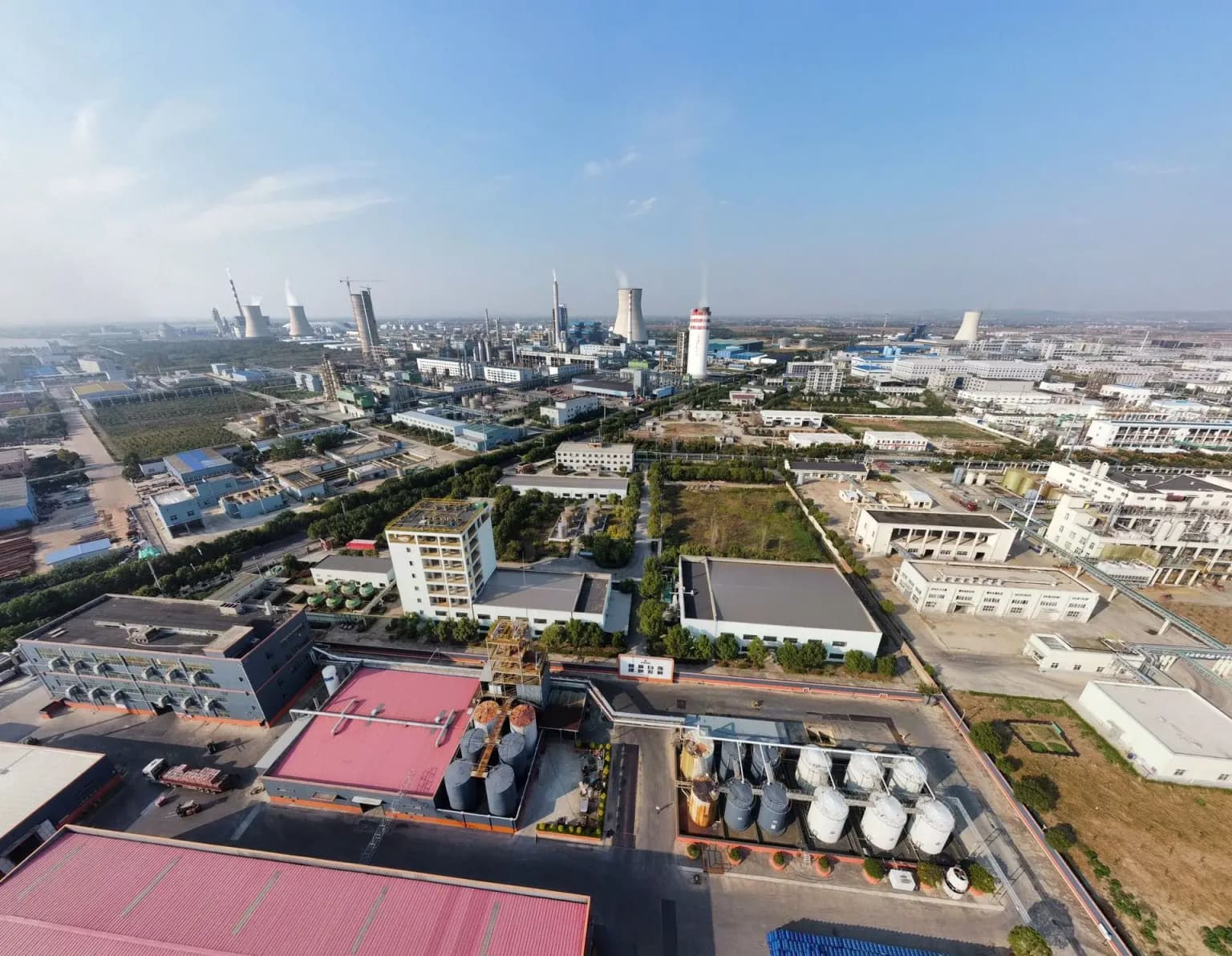
Yes, as a major manufacturer with 150,000 tons annual capacity, we supply bulk quantities of fiberglass reinforced resin for large-scale construction and infrastructure projects worldwide. We work directly with contractors, fabricators, and engineering firms to provide customized resin formulations and technical support.
What are the advantages of glass fiber reinforced polymer over traditional materials?
GFRP offers superior corrosion resistance compared to steel, lighter weight than concrete, excellent strength-to-weight ratio, design flexibility, low maintenance requirements, and electrical insulation properties. These advantages result in lower lifecycle costs and extended service life, especially in harsh environments.
Partner with a Leading FRP Resin Manufacturer
Get expert technical support and competitive pricing for your fiber reinforced polymer projects.